The Problem
Cyberland's CRM platform was being adopted by SMB clients across Southeast Asia — but retention was suffering. Clients were managing their customer data in our platform while separately running their accounting workflows in tools like Xero and NetSuite. Every month, their teams were manually reconciling data between two systems. It was slow, error-prone, and the number one complaint in our quarterly feedback sessions.
The business impact was clear: clients who struggled to fit Cyberland into their existing workflows churned faster. We were losing ARR not because the core product was bad, but because we weren't connected to the systems our clients already lived in.
My Role
As Founding PM, I owned the integration strategy end-to-end — from identifying which integrations to prioritise, to defining the product requirements, to managing the cross-functional execution with engineering and working directly with accounting software vendors to access their APIs.
Discovery
I ran structured interviews with 15 active clients across three verticals (retail, F&B, and professional services). The pattern was consistent: every client with 10+ employees had a dedicated person whose job was partially just moving data between systems. When I mapped their actual workflows, accounting system reconciliation appeared in 11 of 15 journeys.
I also analysed churn data — clients using 3 or more external tools alongside Cyberland had a 40% higher churn rate in their first 6 months. The integration gap wasn't just a UX inconvenience. It was a structural retention risk.
The prioritisation decision came down to volume: Xero dominated among our SMB base in Singapore and Malaysia. NetSuite appeared in our larger, more complex accounts. I proposed starting with Xero for fastest coverage, then NetSuite to capture the enterprise segment.
The Solution
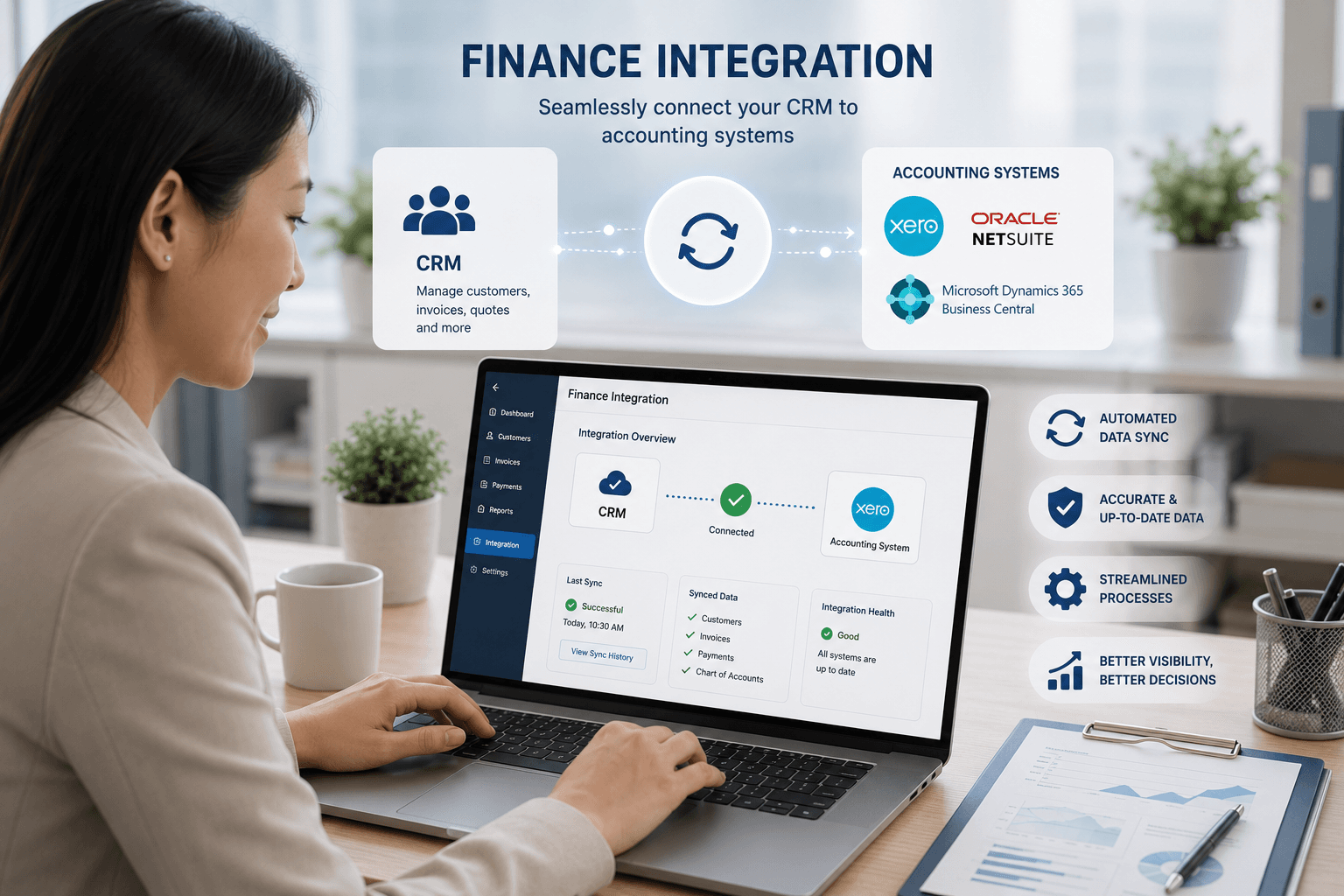
We built a two-way data sync between Cyberland and both accounting platforms:
- Xero integration: Synced client records, invoices, and payment statuses bidirectionally. Set up automated reconciliation triggers so changes in either system propagated without manual intervention.
- NetSuite integration: Focused on the enterprise accounts who needed custom field mapping and more complex workflow automation. Worked directly with those clients during rollout to configure their specific data schemas.
I wrote the full integration PRD, defined the data mapping logic with engineering, and managed the API approval process with both vendors. I also designed the in-app setup flow — making sure a non-technical user could connect their accounting system in under 5 minutes.
What Made This Work
The temptation was to build many integrations at once. I pushed back on that and argued for depth over breadth — doing Xero properly before touching anything else. The payoff was that our Xero integration became a sales differentiator: it was the reason several new clients chose us over a competitor during the same period.
The other unlock was involving the clients early. I brought three power users into the beta, had them map out their exact workflows, and let their real use cases drive the field mapping decisions. That meant the integration worked for actual workflows, not the idealised ones I had assumed.
What I'd Do Differently
I underestimated the time required for the vendor API approval processes. Both Xero and NetSuite required formal partnership applications before we could access certain API scopes. That added 6 weeks to the timeline I had committed to. I now build a dedicated "vendor partnership lead time" buffer into any integration roadmap.